
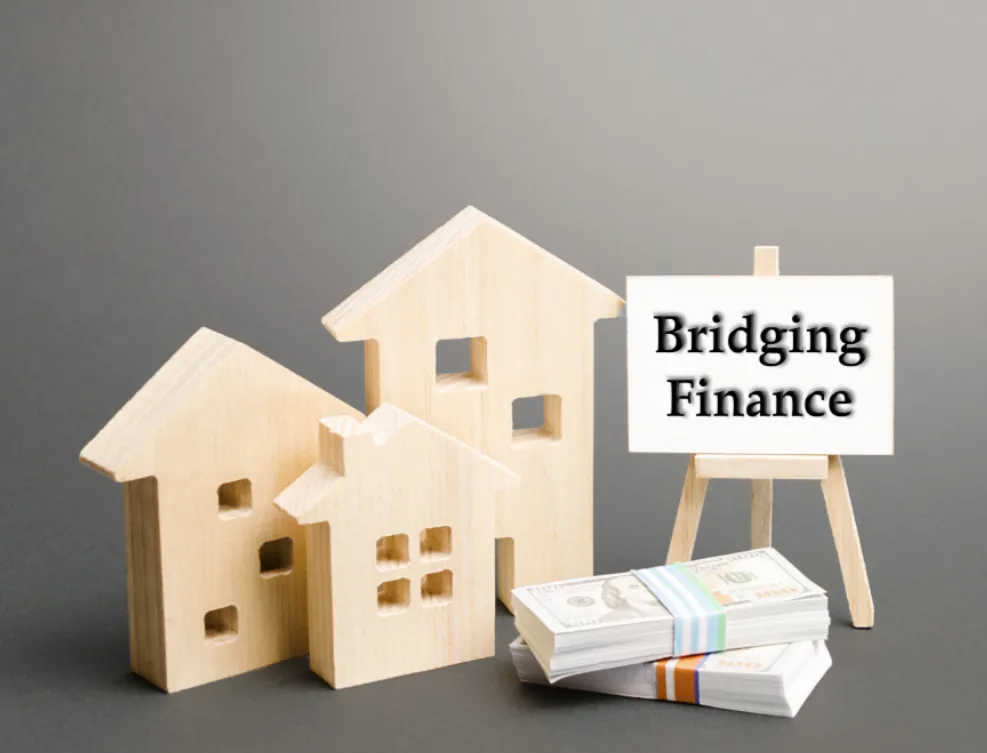
Bridging Finance - What Is It and How Does It Work
Bridging Finance - What Is It and How Does It Work

There are three main types of Bridging Finance that cover most of what the average Investor will need Retained ~ Rolled Up ~ Serviced
Retained Bridging Finance is a type of short-term loan where the interest for the whole loan term is calculated in advance and Deducted Upfront from the loan amount.
In other words, the lender holds back (or “Retains”) the interest at the start of the lending, so the borrower doesn’t have to make monthly interest payments during the term.
How it Works
Interest is calculated upfront – The lender works out the total interest due for the agreed loan term (for example; 12 months).
Interest is retained from the loan – That interest is then subtracted from the gross loan amount before the funds are released. This does though mean that the borrower receives a smaller net loan amount at the start of the loan.
No monthly payments – Since the interest has already been taken out, the borrower doesn’t pay anything monthly. The lender has secured their interest from the outset.
Repayment at the end – At the end of the term, the borrower repays the original loan amount (the full principal). If the borrower repays early, some lenders may refund part of the unused interest, although this varies depending on the lender’s policy.
Example
Loan amount: £200,000
Interest rate: 1% per month
Loan term: 12 months
Total interest retained: £24,000 (1% x 12 months)
Net loan received by borrower: £176,000 (£200,000 – £24,000)
Repayment at the end of the term: £200,000
So in this case, the borrower only receives £176,000 in hand but must repay the full £200,000 at the end of the 12 months.
Pros
Simplified cash flow: No monthly interest payments, which is particularly useful for property developers or investors who may not have steady income during a project.
Flexibility: Borrowers can focus fully on completing the project or arranging long-term finance, without worrying about regular payments.
Certainty: The total interest cost is clear from day one, so there are no surprises when it comes to repayment.
Cons
Lower initial funds: Since the interest is deducted at the start, the borrower receives less cash than the agreed loan amount, which could restrict how much they have available for their project.
Interest on interest: Some lenders charge interest on the gross loan amount, including the retained interest. This can make the effective borrowing cost higher.
Potentially more expensive overall: Depending on the lender and the terms, retained interest loans may work out pricier than alternatives like monthly interest payments.
Rolled-Up Bridging Finance is a short-term loan where the borrower does not make monthly interest payments. Instead, the interest is added to the loan balance each month, which means the debt increases over the term. At the end of the loan, the borrower repays both the original loan amount (the principal) and all of the accumulated interest in one lump sum.
This structure is particularly popular with property developers, investors, or anyone who doesn’t have regular cash flow during the loan period. It allows them to keep all their funds focused on the project and only repay once the property is sold or refinanced.
How it Works
Loan is advanced: The borrower receives the full loan amount upfront.
Interest accrues monthly: Each month, interest is calculated and added to the loan balance. Because this interest itself accrues interest (compounds), the total debt grows over time.
Final repayment: At the end of the term, the borrower pays back the original loan plus all the rolled-up interest in one payment.
Example – Rolled-Up Bridging Finance
Loan amount: £200,000
Interest rate: 1% per month
Loan term: 12 months
How interest works: Each month, £2,000 interest (1% of £200,000) is added to the loan balance instead of being paid. Because the interest itself accrues interest, the debt compounds.
Month 1: Loan balance = £200,000 + £2,000 = £202,000
Month 2: Interest = £2,020 (1% of £202,000) → Balance = £204,020
Month 3: Interest = £2,040.20 → Balance = £206,060.20
... and so on, until the end of the loan.
At the end of 12 months, the total owed = approximately £226,565 (principal £200,000 + £26,565 rolled-up interest).
Net loan received upfront: £200,000 (full amount, no deductions).
Repayment at the end of term: £226,565 lump sum.
Pros
No monthly payments: Ideal for borrowers without steady cash flow.
Easier cash flow management: All funds can be directed towards the project instead of servicing the loan.
Aligns with exit strategy: Works well if repayment will come from a property sale or refinance.
Cons
Potentially higher cost: Because the interest compounds, rolled-up loans often end up more expensive.
Large final repayment: The lump sum at the end can create “payment shock” if the borrower’s exit plan is delayed.
Reliance on exit strategy: If the property doesn’t sell or refinance on time, costs can escalate quickly.
Retained vs. Rolled-Up Bridging Finance
Although the terms are sometimes used interchangeably, there is a difference:
Retained interest: The total interest is deducted upfront in one lump sum at the beginning of the loan. This often means you’re effectively paying interest on money you never actually receive.
Rolled-up interest: Interest accrues monthly and is added to the loan balance, then paid off at the end of the term. Unlike retained interest, it isn’t deducted from the initial advance, so you usually get the full loan amount upfront, but your debt grows as the interest is added each month.
The key distinction is that with retained interest, the borrower starts with less money in hand, while with rolled-up interest, the borrower receives the full loan but ends up with a higher balance to clear at the end.
The crucial difference is that with retained interest, you may be paying interest on the retained amount itself, whereas with rolled-up interest, the interest may not be compounded in the same way.
Serviced Bridging Finance is a type of short-term loan where the borrower pays the interest monthly throughout the loan term, similar to a traditional mortgage. This differs from rolled-up or retained bridging finance, where the interest is not paid during the term but settled at the end.
Because the borrower must cover interest each month, lenders usually carry out affordability checks to ensure the borrower has a reliable income stream. For this reason, serviced loans are best suited to those with steady cash flow, such as individuals with regular income or property investors with rental income.
How it Works
Affordability assessment: Lenders check that the borrower can afford the ongoing monthly interest payments.
Full loan advanced: Since the interest is serviced during the term, the borrower receives the entire loan amount upfront (nothing is deducted for interest).
Monthly payments: The borrower pays interest each month at the agreed rate, which prevents the loan balance from growing.
End of term repayment: At the end of the term, only the original loan (the principal) needs to be repaid, as the interest has already been covered.
Example
Loan amount: £200,000
Interest rate: 1% per month
Loan term: 12 months
Monthly interest payment: £2,000 (£200,000 × 1%)
Net loan received: £200,000
Repayment at end: £200,000 principal
So in this example, the borrower pays £2,000 per month during the loan term and then only has to repay the £200,000 principal at the end.
Pros
Lower overall cost: Since interest doesn’t roll up or get deducted upfront, it’s often cheaper than retained or rolled-up structures.
Full funds available: Borrower receives the entire loan amount at the start.
Positive credit profile: Making regular payments can strengthen the borrower’s track record with lenders.
Cons
Requires steady income: Not suitable for those without consistent monthly cash flow.
Stricter checks: Lenders require proof of affordability and income, unlike other structures that rely mainly on the property’s value.
Risk of default: Missing payments can damage credit and may lead to penalties or repossession.
Bridging Finance Comparison

QUICK GUIDES
Retained Bridging Finance (Quick Guide)
Definition:
A short-term loan where the interest for the full term is taken out of the loan at the start. No monthly payments are made; instead, the borrower repays the full loan amount at the end.
How it Works:
Lender calculates total interest upfront.
That interest is deducted from the loan before funds are released.
Borrower receives a reduced net amount.
At the end, the borrower repays the full original loan (principal).
Example:
Loan: £200,000
Rate: 1% per month
Term: 12 months
Interest retained: £24,000
Net loan received: £176,000
Repayment due: £200,000
Pros:
No monthly interest payments.
Easier cash flow for projects.
Rolled-Up Bridging Finance (Quick Guide)
Definition:
A bridging loan where monthly interest is added to the balance instead of being paid each month. Borrower repays the original loan + all accumulated interest at the end.
How it Works:
Full loan paid upfront.
Interest accrues monthly and compounds.
One lump sum repayment at the end.
Pros:
No monthly payments.
Cash can be focused on the project.
Repayment aligns with property sale/refinance.
Cons:
Higher cost due to compounding.
Large repayment due at the end.
Risky if exit strategy is delayed or fails.
Rolled-Up vs. Retained:
Rolled-up: Interest added monthly (compounding), full loan received.
Retained: Interest deducted upfront, less cash received at the start.
Serviced Bridging Finance (Quick Guide)
Definition:
Loan where the borrower pays monthly interest and repays the principal at the end.
How it Works:
Affordability checks done.
Full loan paid upfront.
Monthly interest payments made.
Principal repaid at the end.
Pros:
Usually cheaper overall.
Full loan received upfront.
Builds repayment history with lenders.
Cons:
Requires steady income.
Stricter affordability checks.
Higher risk if cash flow changes.






Facebook
Instagram
LinkedIn